I see confusion on tool choice. Clients pick wrong tools and face delays. I explain clear differences so you pick right and avoid costly mistakes.
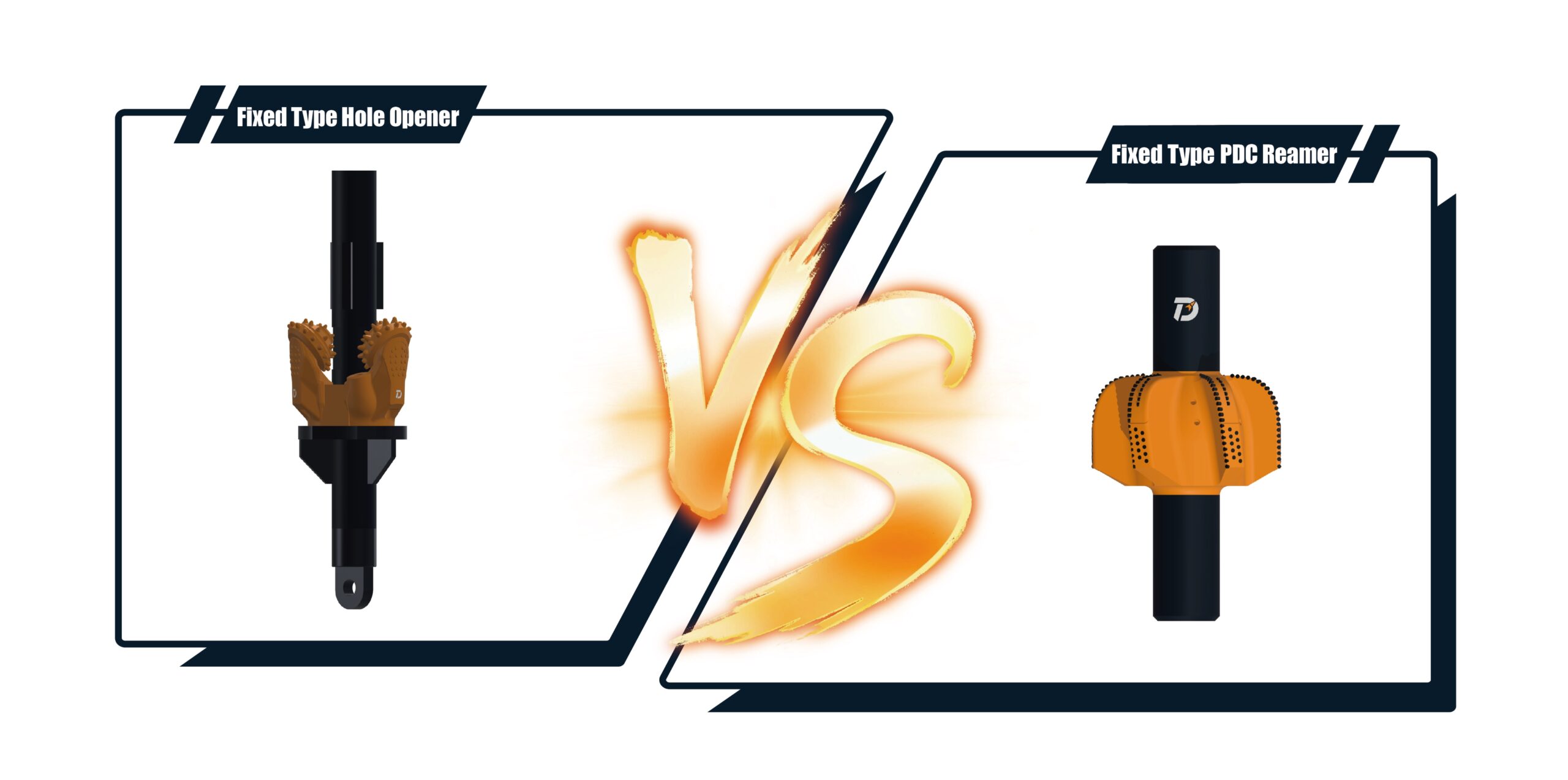
TCI hole openers excel in hard, abrasive, or mixed rock with impact and wear resistance. PDC reamers cut faster in soft to medium, uniform formations with better efficiency and smoother bore results.
Transition Paragraph:
I want you to stop guessing and start choosing confidently. Read the sections below.
Which formations suit PDC Reamer?
Problem: you need speed but worry about wear. Agitation: wrong tool wastes time and money. Solution: choose PDC for the right ground.
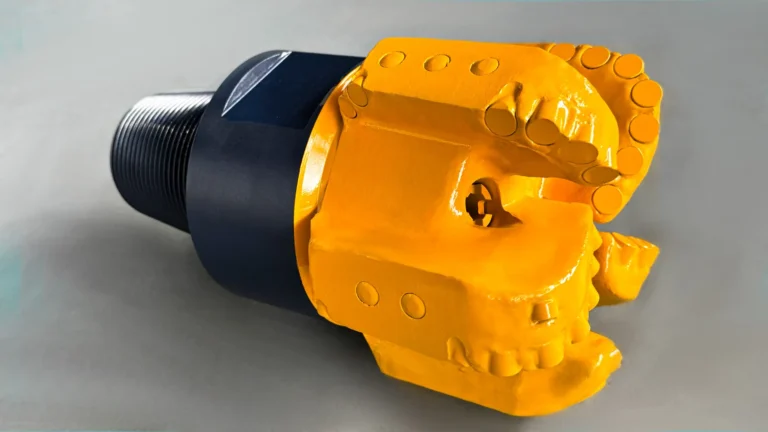
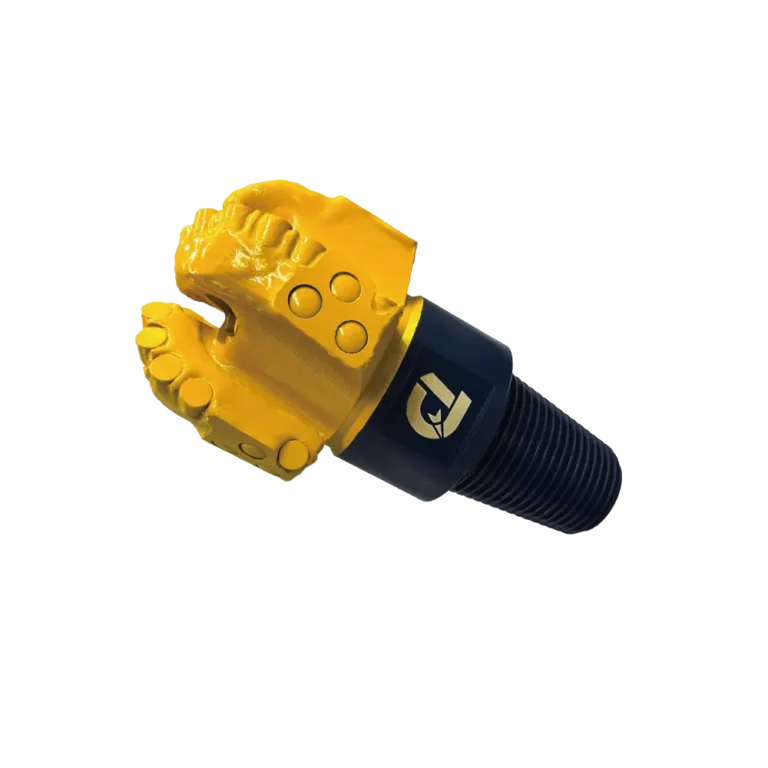
PDC reamers are for soft to medium formations like clay, sand, shale, and some sandstones. They give fast cut rates and low torque where the rock is uniform and cutting is dominant.
Dive deeper Paragraph:
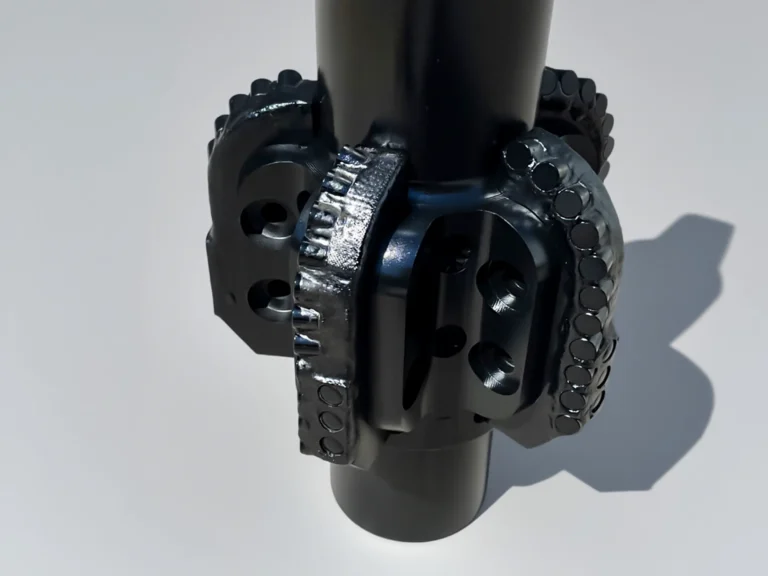
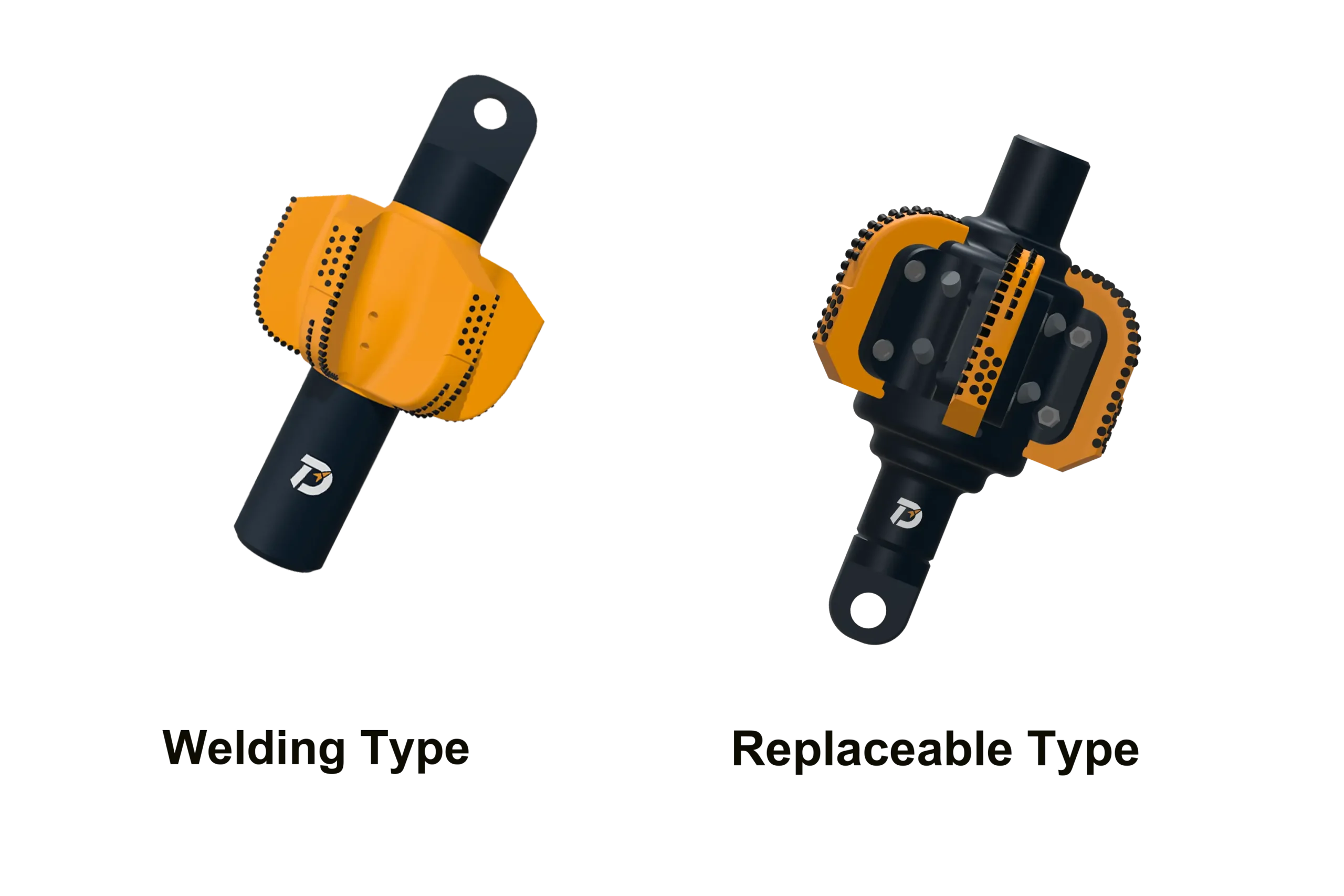
I have used PDC reamers on many urban fiber projects. I prefer them when ground is predictable and uniform. PDC cutters shear the rock. That gives clean chips and steady advance. The tool works best in formations that do not have big gravel, boulders, or sharp impacts. In these conditions PDC gives higher footage per hour. It also uses less power and keeps fluids clear. PDC reamers need precise cutter placement and good hydraulics. They wear by abrasion and dulling, not by crushing. You can expect faster drilling and lower immediate operating cost in soft to medium ground.
| Formation Type | Use PDC? | Expected Result |
|---|---|---|
| Clay, silt, sand | Yes | Fast cut, smooth bore |
| Shale, soft sandstone | Yes | Good rate, moderate wear |
| Gravelly sand, cobbles | Use caution | Risk of cutter damage |
| Hard sandstone, limestone | No | Low efficiency |
| Fractured or impact-prone rock | No | High failure risk |
I then advise on cutter grade and gauge. I share my experience with cutter grades that last longer in mixed soft formations. I also recommend pre-job planning: logs, pilot bore data, and nozzle layout. These steps protect PDC performance and extend wear life.
Why choose TCI Hole Opener?
Problem: your job hits hard or mixed rock. Agitation: PDC fails and stops progress. Solution: choose TCI for impact resistance.
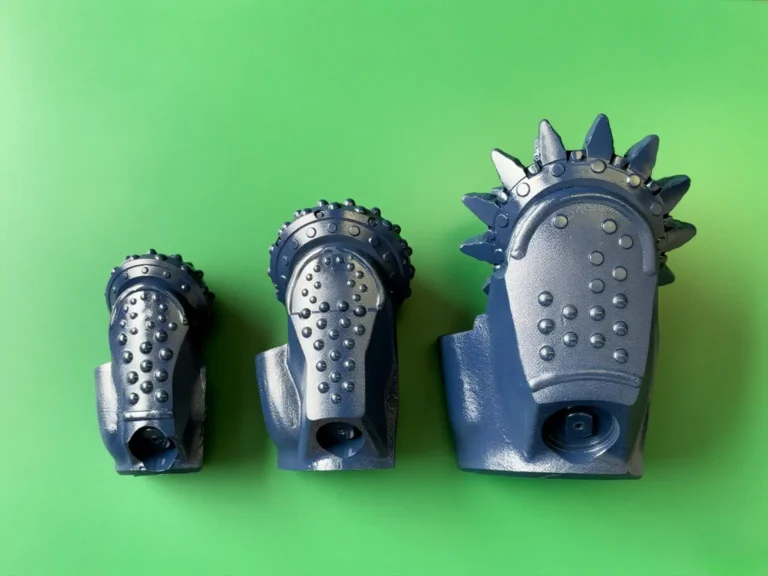
TCI hole openers use roller-cone or tungsten inserts to crush and roll hard rock. They survive impact and abrasive conditions and are better in gravel, cobble, and hard sandstone.
Dive deeper Paragraph:
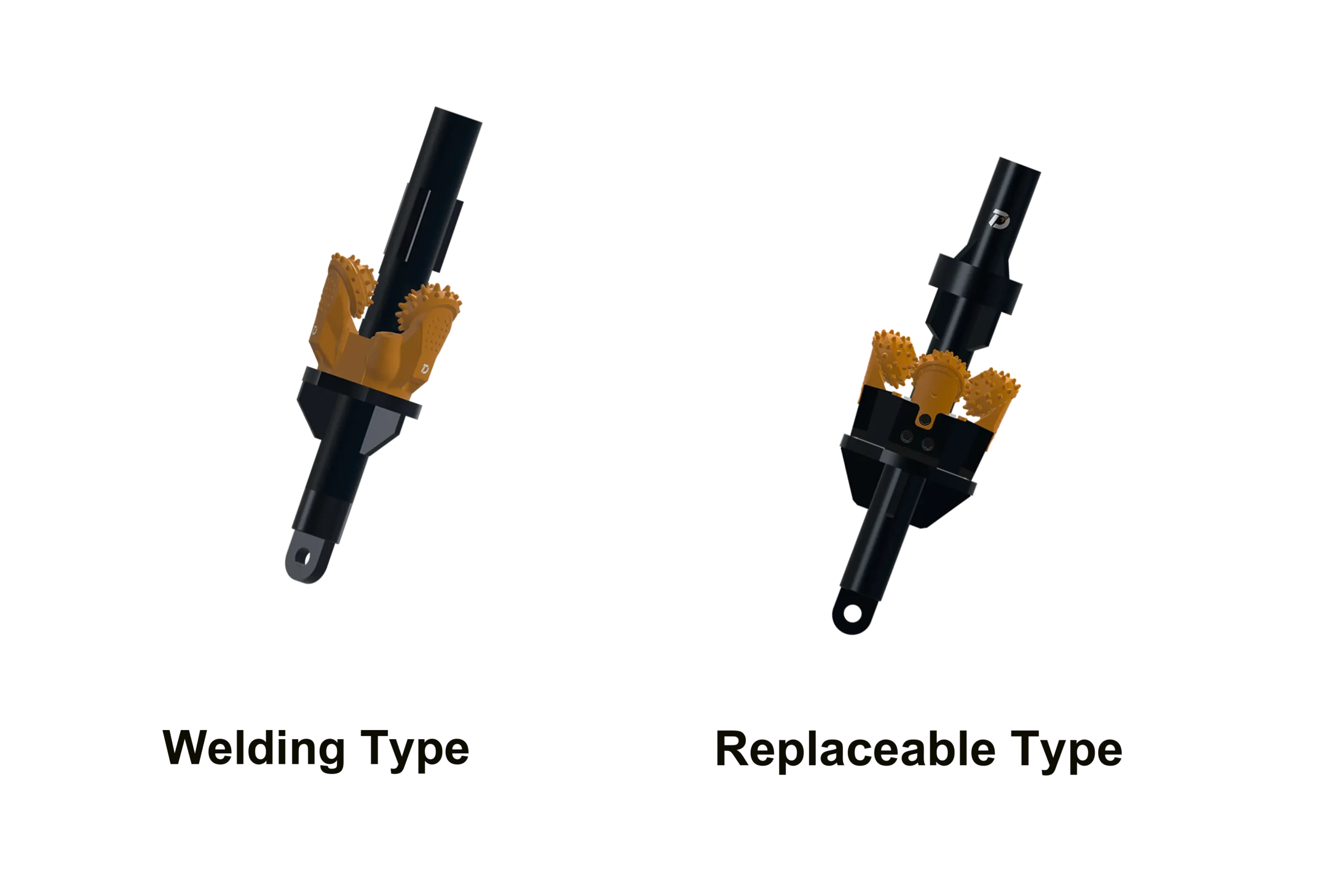
I recommend TCI hole openers when the job includes hard or mixed ground. The TCI design uses tungsten carbide inserts or robust cutters. These parts resist impact and abrasion. The tool breaks rock by rolling and crushing rather than pure shearing. That makes it slower than PDC in soft ground but far more reliable in tough ground. I have seen TCI tools run longer on river crossings filled with cobbles. They handle variable conditions without sudden failure. The maintenance path is also easier. You can replace cones or inserts, rebuild bearings, and return the tool to service. For contractors, that lowers long-term cost in tough ground. In a table it looks like this:
| Advantage | Why it matters |
|---|---|
| Impact resistance | Survives boulders and cobbles |
| Repairability | Replace cones/inserts, rebuild bearings |
| Stability | Less chatter in mixed rock |
| Slower rate in soft ground | Trade-off for durability |
I often advise clients to pick TCI if they expect unknown geology. I also suggest a hybrid plan: start with a pilot and check cuttings. If you see lots of gravel or hard fragments, switch to TCI before the reaming pass escalates problems.
How to choose between them for a specific job?
Problem: you have a project and many unknowns. Agitation: the wrong choice stops progress. Solution: a simple checklist helps you decide.
Decide by formation type, pilot bore data, and tolerance for downtime. Use PDC for predictable soft to medium ground and TCI for hard, abrasive, or mixed ground with high impact risk.
In practice, I write the decision as three simple rules:
- If pilot cuttings are fine and no large fragments → PDC.
- If pilot shows large fragments, gravel, or impact → TCI.
- If uncertain → start cautious, have TCI available, and monitor cuttings constantly.
These rules save hours and prevent unexpected tool loss.
Maintenance, cost, and spare parts — what to expect?
leading paragraph:
Problem: maintenance surprises drive up cost. Agitation: lack of spares stops projects. Solution: plan spares and maintenance by tool type.
PDC needs cutter replacement and dressing. TCI needs cone or insert replacement and bearing service. TCI often costs more upfront but repairs are easier and life can be longer in tough ground.
Dive deeper Paragraph:
I track maintenance for both tools. PDC cutters dull and need dressing or replacement. That is often a bench task and quick if spares are present. PDC bodies can be welded or have replaceable wings. (Drillnova can provide replaceable PDC reamer.) TCI needs cone rebuilds and bearing replacements. Those tasks can be done in a shop and require more parts. TCI cones or inserts cost more per piece. But they last longer in abrasive ground. For project planning, You can budget spare parts differently. For PDC jobs, You can order cutter sets and a spare reamer wing. For TCI jobs, you can order a spare cone set, seals, and bearings.
Conclusion
I aim to help you choose: PDC for soft-medium, TCI for hard-mixed, and plan spares and monitoring to avoid surprises.
👉 Explore our HDD reamers and hole openers here and get in touch for expert recommendations and pricing.