Choosing a PDC Bit can be confusing. Mining, water well, and HDD projects all use them, but the right selection depends on project conditions.
PDC Bits are versatile. Correct selection depends on blade count, nozzle design, steel grade, hardfacing, and connection. One properly specified bit can serve multiple drilling applications efficiently.
Many salespeople and buyers think PDC Bits are industry-specific. They are not. The key is understanding how design parameters affect performance in different drilling environments. This ensures the bit works reliably for your project.
Key Differences Between Mining, Water Well, and HDD PDC Bits
At first glance, PDC Bits look similar. The differences are mostly in technical parameters, not in industry labels.
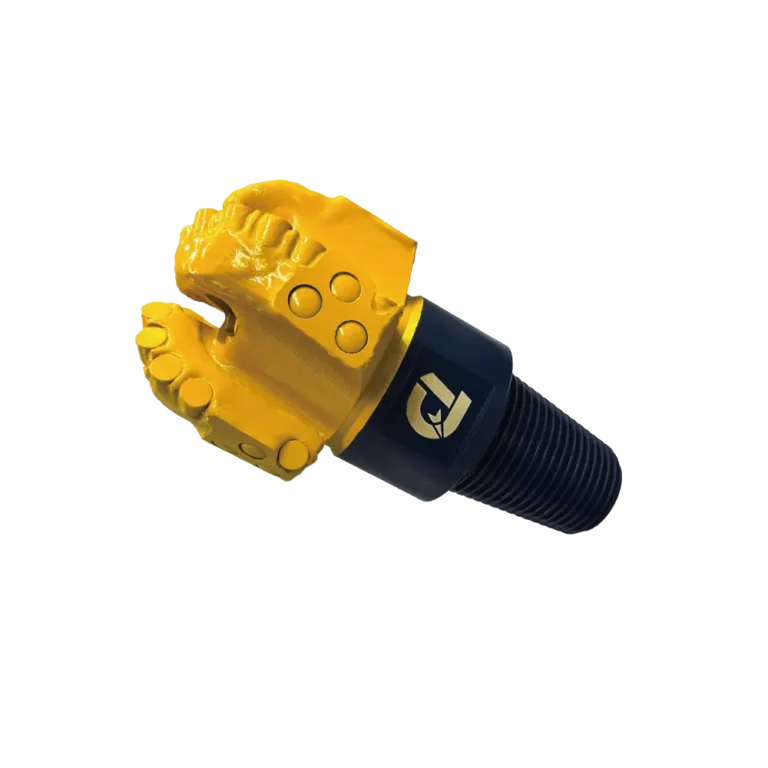
Blade count, steel grade, nozzle size/material, blade hardfacing, and connection type determine performance. One properly specified bit can work across mining, water well, and HDD projects.
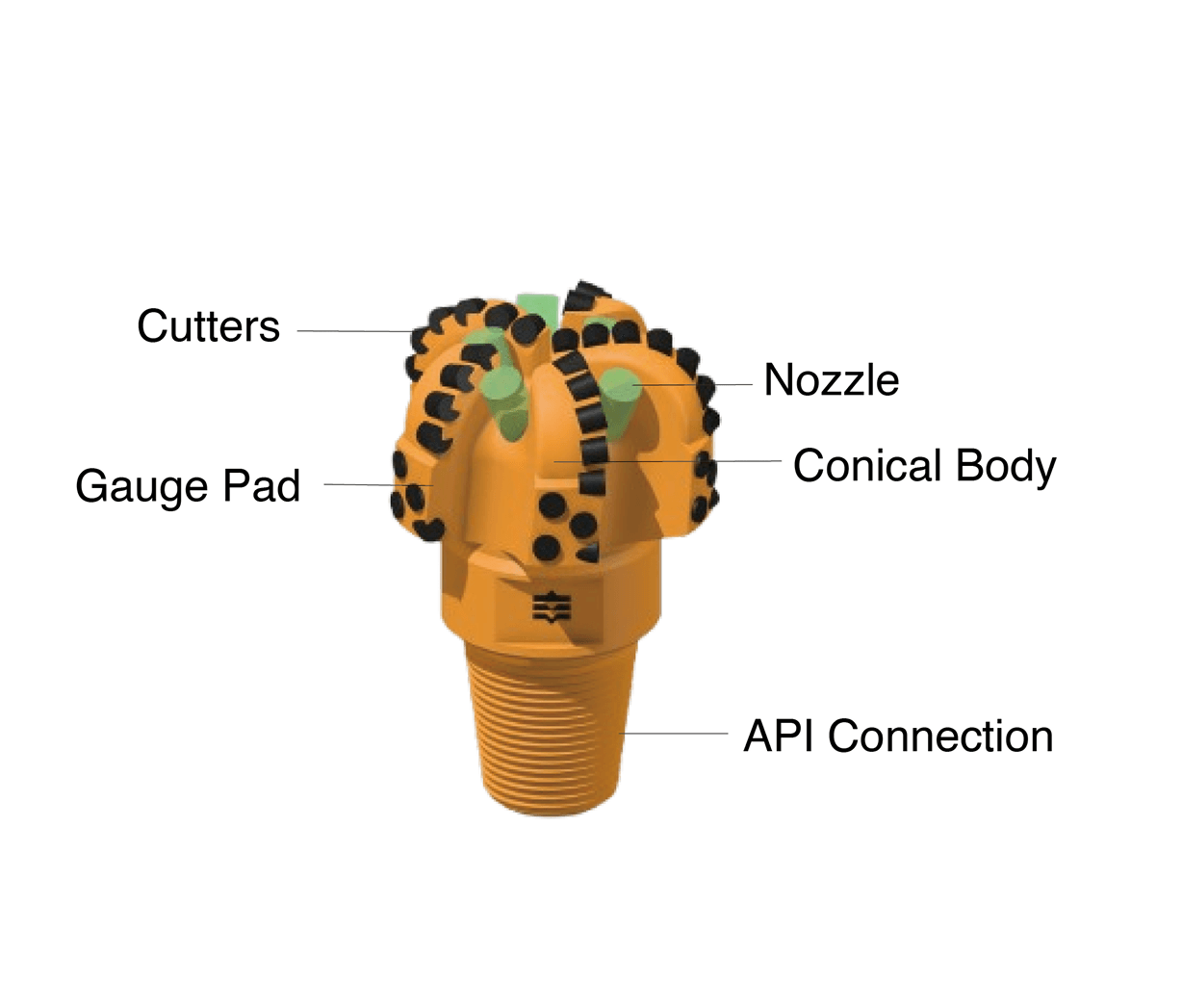
Here’s a clear comparison of typical PDC Bit parameters across applications:
| Parameter | Mining | Water Well | HDD |
|---|---|---|---|
| Blade Count | 3–4 | 4–5 | 4–5 |
| Steel Grade | 42CrMo / 45 | 42CrMo / 45 | 42CrMo |
| Nozzle | 4–8 mm, steel/TC | 4–8 mm, steel/TC | 4–8 mm, steel/TC |
| Blade Hardfacing | Yes | Yes | Yes |
| Connection | API IF / Reg | API IF / Reg | API IF / Reg |
Short explanation:
- Blade Count: Fewer blades cut faster in soft formations; more blades improve stability in mixed/hard layers.
- Steel Grade: 42CrMo is standard; 45 steel is sometimes used for soft formations or cost-sensitive projects.
- Nozzle: Steel or tungsten carbide nozzles (4–8 mm) ensure proper cooling and debris removal.
- Blade Hardfacing: Protects cutting edges; essential for long bores and sustained torque.
- Connection: API IF or Reg ensures compatibility with drill rigs; works for all three applications.
How Blade Count and Nozzle Design Affect Performance
Blade and nozzle design are key to cutting efficiency, stability, and cooling.
3–6 blades and corresponding nozzles control penetration, stability, and mud flow. Proper design avoids uneven wear and extends bit life.
Each blade normally has a nozzle to remove debris and supply cooling mud. Fewer blades plus fewer nozzles increase penetration speed, while more blades and nozzles stabilize the bit and distribute cooling in harder or longer bores. Tungsten carbide nozzles resist abrasion better than steel, but steel is economical for softer formations. These principles apply to mining, water well, and HDD alike—what matters is formation hardness, bore length, and mud type, not the drilling industry.
Material and Blade Hardfacing Considerations
Material and hardfacing influence bit life and cost efficiency.
42CrMo is standard; 45 steel may be used in softer formations. Blade hardfacing protects cutting edges in all applications.
Steel grade defines toughness and wear resistance. 42CrMo is used widely for HDD and water well; 45 steel can be requested for softer formations or cost-focused projects. Blade hardfacing extends tool life under torque and abrasive conditions. All applications—mining, water well, and HDD—benefit from hardfaced blades. The main point is matching steel and hardfacing to formation and project requirements, not assuming materials are industry-specific.
Connection Type and Compatibility
Connection links the bit to the drill string. Compatibility is critical.
API Reg or IF connections are standard for water well and HDD. Correct selection ensures fit, torque transfer, and mud circulation.
API Reg and IF provide reliable threads, fluid flow, and torque transfer. NC threads are less common but may appear in certain mining rigs. Proper connection selection ensures stable torque, no leaks, and effective mud circulation. With correct connection, a single PDC Bit can operate across mining, water well, and HDD projects. Performance differences come from blade count, nozzle, steel, and hardfacing, not the connection itself.
Selecting the Right PDC Bit for Your Project
The key to a successful drilling project is choosing the right bit based on parameters, not industry labels.
Specify blade count, nozzle number/size, steel grade, hardfacing, and connection. One well-specified PDC Bit can work efficiently in multiple applications.
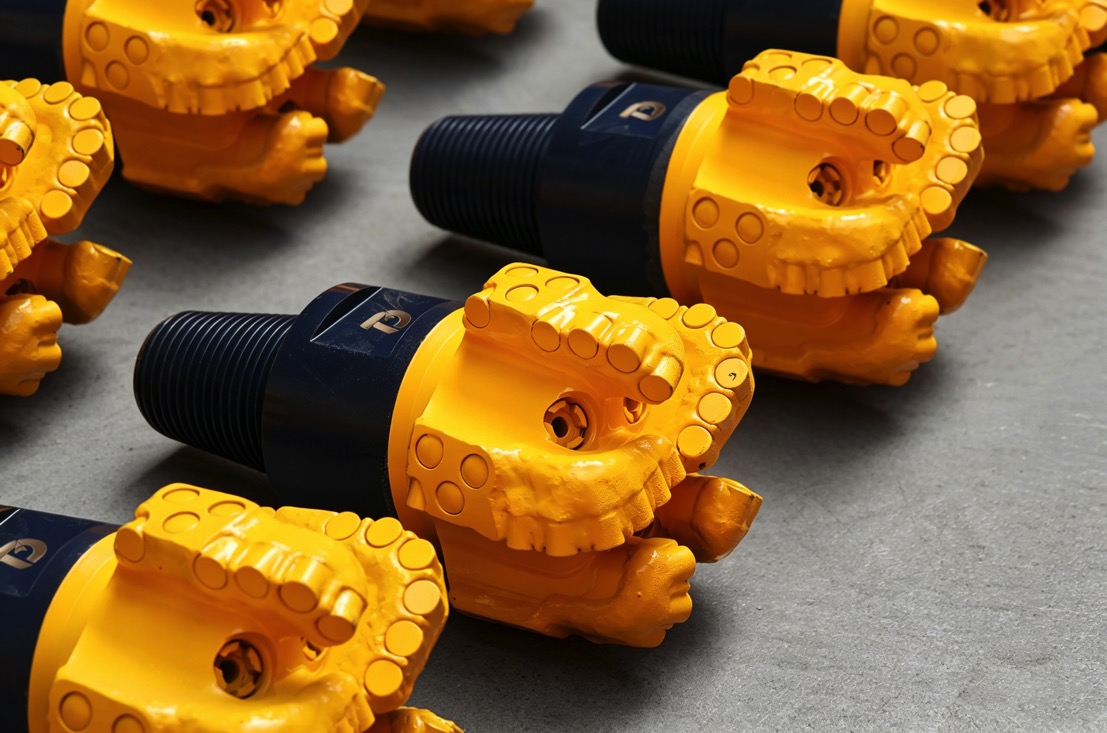
Provide your manufacturer with bore diameter, formation type, penetration goals, and rig specs. Blade count sets cutting speed and stability; nozzle ensures cooling and debris removal; steel and hardfacing control wear; connection ensures compatibility. For example, a 4-blade PDC Bit with 4–6 mm tungsten carbide nozzles, hardfaced blades, and API Reg connection can drill medium-hard formations in HDD, water well, or soft mining projects. Focus on project conditions, not the industry, to improve efficiency and extend bit life.
Conclusion
PDC Bits are versatile. One properly specified bit can serve mining, water well, and HDD projects. Correct selection depends on project parameters and formation, not industry labels.